



UK Hospitality Technology Trends 2025: Digital Tools Transforming Venues and Recruitment
Technology is reshaping the UK hospitality industry, turning digital innovation into a necessity rather than a luxury. Venues are leveraging tools to enhance customer experiences, streamline operations, and attract talent in a fiercely competitive market. As of September 2025, 68% of UK hospitality businesses report technology as a key driver of growth (UKHospitality Report, 2025). This blog explores the trends transforming venues and recruitment, offering actionable insights for success
The Digital Hospitality Revolution
The UK hospitality sector has embraced rapid digital transformation, spurred by evolving consumer expectations and post-pandemic recovery. Modern venues integrate technologies like automated booking systems and AI-driven staff scheduling to stay ahead.
- Contactless Operations: QR code menus and contactless payments, adopted by chains like Wagamama, boost efficiency by 15% (Flok Jobs analysis, 2025).
- Data Analytics: The Hawksmoor uses customer data to personalize menus, increasing profitability by 10% (UKHospitality, 2025).
- Automation: Automated check-ins at Premier Inn reduce staff workload, allowing focus on guest engagement.
Customer-Facing Innovations
Technology enhances guest satisfaction and revenue:
- Mobile-First Experiences: Apps like Pizza Express enable seamless bookings, with 60% of customers preferring mobile interactions (Statista, 2025).
- AI Personalization: AI at Zizzi suggests wine pairings, lifting average spend by 8%.
- Virtual Reality: High-end venues like The Ivy use VR for virtual tours, attracting 20% more bookings (Hospitality Trends Report, 2025).
- Smart Loyalty: Digital rewards at Costa Coffee drive repeat visits, with a 12% uptick in loyalty program sign-ups.
Operational Technology Solutions
Behind the scenes, technology optimizes efficiency:
- Inventory Management: Smart systems at Fuller's reduce waste by 15% through demand forecasting.
- Energy Management: IoT sensors at Marriott Hotels cut utility costs by 25% (Energy Saving Trust, 2025).
- Kitchen Technology: Digital displays at Dishoom improve order accuracy by 18%.
- Staff Scheduling: AI tools at All Bar One predict staffing needs, saving 10% on labor costs.
Recruitment Technology Revolution
Technology is revolutionizing hiring:
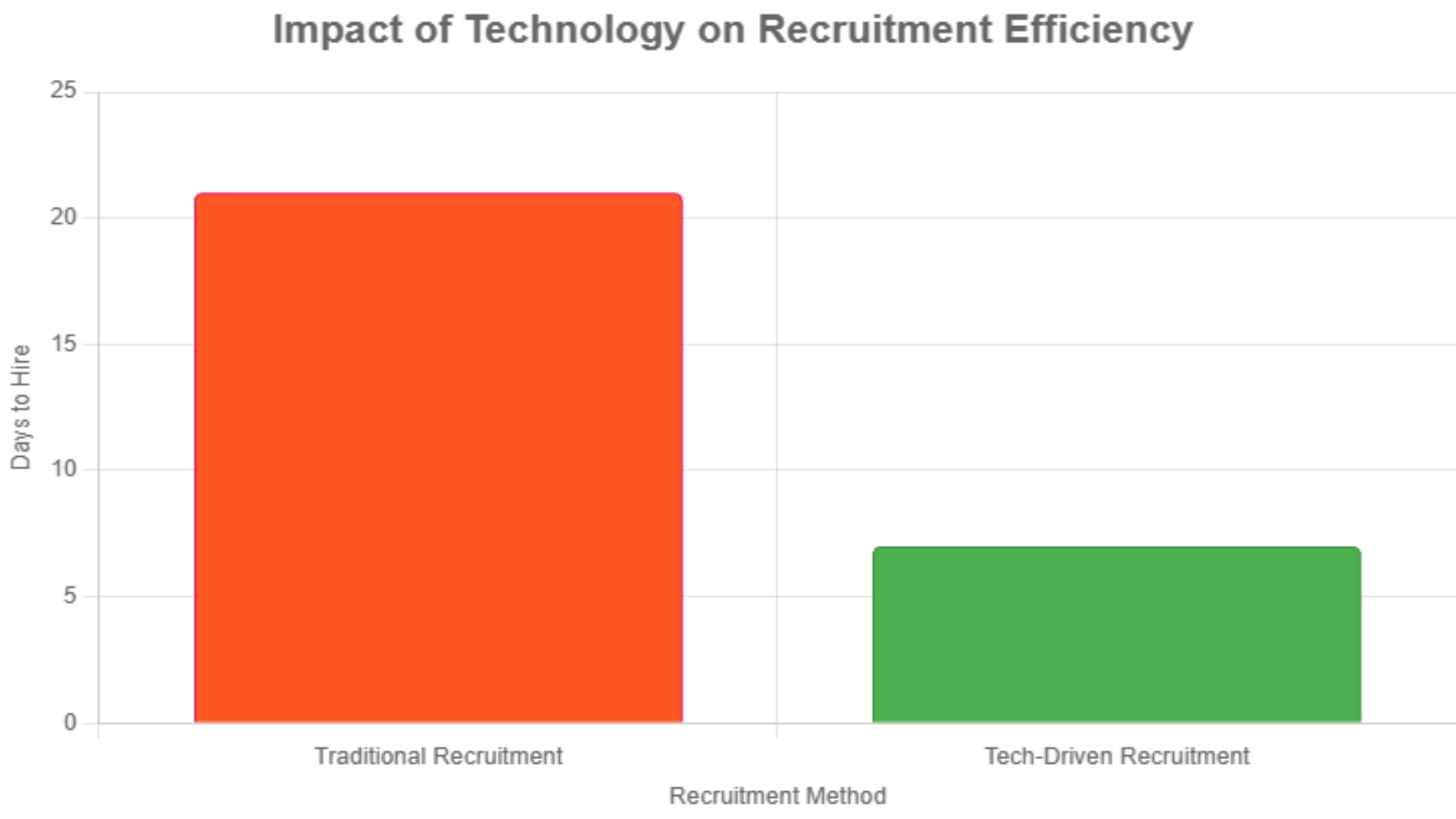
- Digital Platforms: Flok Jobs uses AI to match venues with candidates in hours, not weeks, as seen with Greene King's 30% faster hires.
- Video Interviewing: Mitchells & Butlers saves 20 hours per hire with remote screenings.
- Skills Assessments: Digital tools evaluate food safety skills, streamlining pre-interviews.
- Social Media: TikTok campaigns by Nando's attract 25% more Gen Z applicants.
- Mobile Applications: With 70% of job seekers using mobile devices (Flok Jobs data, 2025), mobile-optimized apps are essential
Data Analytics and Business Intelligence
Data drives strategic decisions:
- Customer Analytics: Zizzi optimizes menus based on dining patterns, boosting revenue by 12%.
- Revenue Management: Dynamic pricing at The Ivy maximizes revenue per seat by 15%.
- Predictive Analytics: Greene King forecasts demand, reducing overstaffing by 10%.
- Performance Metrics: Real-time dashboards track turnover rates and productivity.
Sustainability Through Technology
Green tech supports both planet and profit:
- Smart Energy: Automated controls at Travelodge reduce carbon footprints by 20%.
- Waste Reduction: Apps at Wahaca cut food waste by 10% (WRAP, 2025).
- Digital Documentation: Paperless systems at Bill's reduce environmental impact by 30%.
- Supply Chain: Technology connects venues with local suppliers, lowering emissions
Overcoming Integration Challenges
Successful adoption requires planning:
- System Compatibility: Platforms like Flok Jobs integrate seamlessly with existing tools.
- Staff Training: Comprehensive programs at Premier Inn ensure smooth transitions.
- Data Security: Robust measures protect customer data, a priority for 85% of venues (Cybersecurity Review, 2025).
- Cost Management: Phased rollouts deliver ROI within 12-18 months.
Mobile Technology Impact
Mobile solutions are central:
- Customer Apps: Booking apps enhance experiences at Pizza Express.
- Staff Apps: Mobile scheduling at Hilton improves communication.
- Management Tools: Mobile dashboards enable real-time oversight.
- Payment Processing: Integrated systems boost efficiency.
AI Applications
AI tackles complex challenges:
- Chatbots: The Ivy's bots handle 30% of inquiries, freeing staff.
- Demand Forecasting: Machine learning at All Bar One optimizes inventory.
- Personalization: AI tailors promotions, increasing satisfaction.
- Voice Technology: Smart speakers enhance hotel guest experiences.
Future Trends
Emerging technologies promise more:
- 5G Connectivity: Faster networks power real-time apps.
- Blockchain: Secures transactions at sustainable venues.
- Augmented Reality: Interactive menus engage customers.
- IoT: Connected devices monitor energy use.
Practical Strategies
Venues can succeed by:
- Starting with user-friendly tools like Flok Jobs
- Investing in staff training to maximize benefits.
- Tracking ROI with metrics like time-to-hire and cost savings.
Conclusion
Technology is the backbone of UK hospitality's future, driving growth through enhanced experiences and efficient recruitment. Platforms like Flok Jobs empower venues to connect with top talent swiftly. Embrace these tools to stay competitive—visit Flok Jobs today to revolutionize your hiring and operations.
Back to Blogs